 Off-Grid Water Explained
Water from air: what it can really do
Plain-English guides to water from air, emergency storage and off-grid water, with sources for every number.
Disclosure: some links on this page are paid links. If you buy through them we may earn a commission, at no extra cost to you. We have not built the devices we review; our reviews are based on the sales and checkout pages, published research and measured results from similar builds.
Smart Water Box: what you actually get
| What it is | A digital guide to building a small water-from-air device. No machine is shipped; you buy the parts yourself. |
| Price at checkout | $39.00, one-time (checked 17 Nov 2026) |
| Refunds | ClickBank allows returns within 60 days of purchase |
| Output claim | The sales page gives no liters-per-day figure |
Two lines from the same sales page:
“It's been successfully used in any climate around the world.”
“The product is an experiment, it was not technically assessed.” (page footer)
How much water can you expect?
Output depends mostly on humidity and temperature. One published study of a full-size system:

Hot and humid air, about 0.75 kWh per liter.

Hot and dry air (27% humidity), about 4.7 kWh per liter.
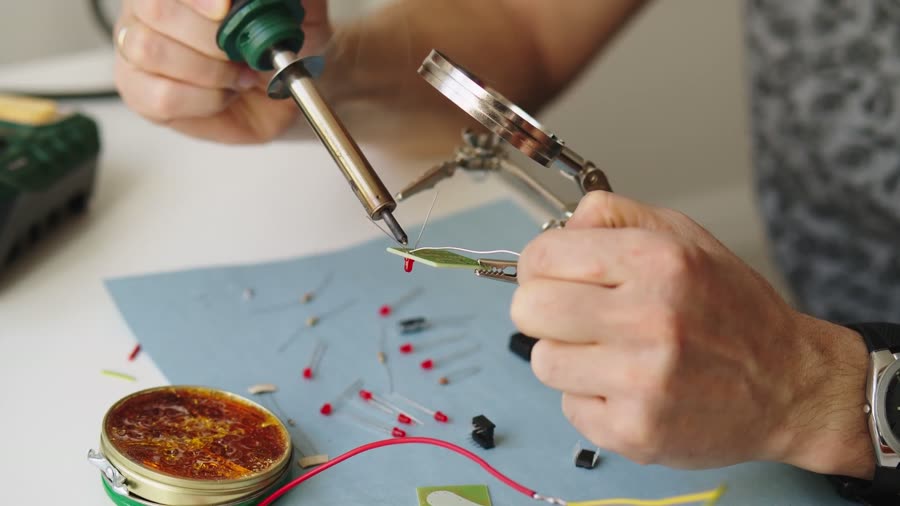
Small homemade builds with thermoelectric chips, in damp air, using a lot of power.
Sources: MDPI Processes (2025) · AWG energy study · RMCybernetics DIY build
Who it suits
- enjoy DIY projects
- live somewhere humid
- want a small backup for camping or emergencies
- live in a dry climate
- want to cut your water bill
- need a main water supply for a family
Safety: condensed water is not automatically safe to drink. Use food-safe parts, keep the device clean, and filter and disinfect the water before drinking it.
See the Smart Water Box page (paid link)The checkout shows an “order reserved” countdown. Take your time.